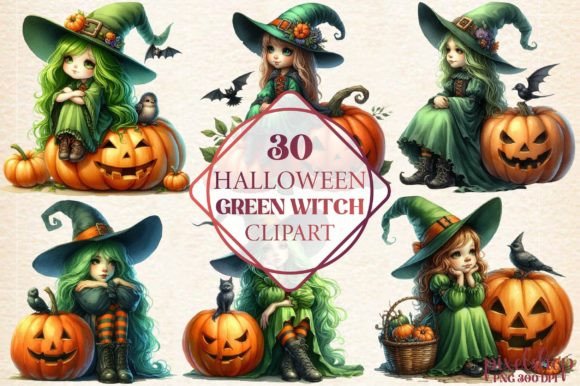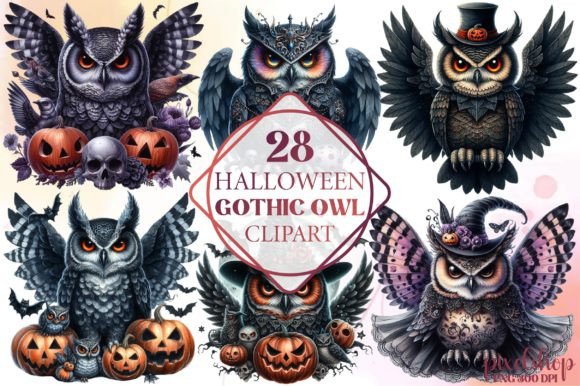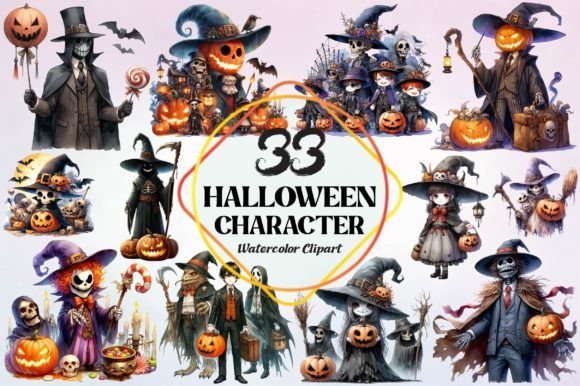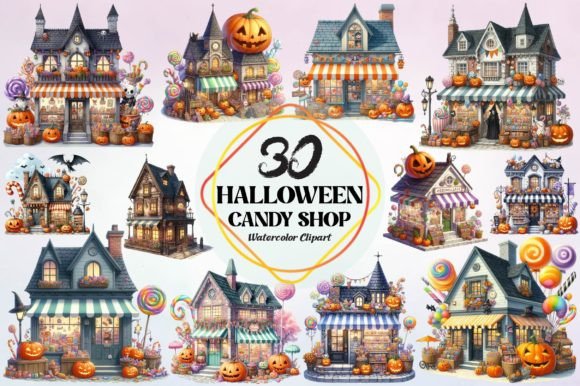
Watercolor Halloween Raccoon Clipart
If you have spent any time searching for Halloween design assets, you know the struggle. Pumpkins, bats, and black cats dominate the landscape. Every year, the same visuals appear on social media posts, product labels, and blog headers. That is exactly why watercolor Halloween raccoon clipart has quietly become a go-to choice for designers and business owners who want something different. It keeps the seasonal spirit intact while offering a personality that standard Halloween iconography often lacks.
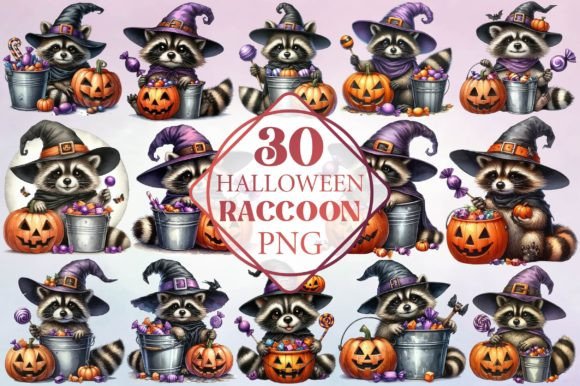
This clipart style typically features a raccoon rendered in soft, translucent watercolor washes. The artwork leans into the raccoon's natural mischievous expression, often pairing it with classic Halloween elements like a miniature witch hat, a carved pumpkin, or a crescent moon backdrop. The color palette tends to stay within deep purples, moody blues, warm oranges, and muted blacks, with occasional pops of green or gold. The watercolor technique gives the image an organic, hand-painted feel, so you are not looking at something stiff or overly digital. Instead, the artwork carries texture, gradient shifts, and subtle imperfections that make it feel like a real painting.
What makes this clipart particularly appealing is the raccoon itself. It is not a traditionally "spooky" animal, which works in your favor. The raccoon brings a sense of curiosity and cleverness rather than outright horror. That makes the clipart suitable for projects aimed at children, families, or audiences who prefer a lighter Halloween vibe. The watercolor finish softens the edges even further, so the artwork feels whimsical rather than threatening. If your brand voice leans playful, clever, or slightly irreverent, this style of clipart aligns naturally with that tone.
What Makes This Clipart Style Stand Out
The watercolor technique is the defining feature here. Unlike flat vector illustrations, watercolor clipart introduces natural variation in opacity and texture. When you place the raccoon against a dark background, the lighter washes of color seem to glow. Against a light background, the layered pigments create depth. This makes the clipart useful for projects where you want the artwork to feel dimensional without adding complex shadow effects yourself.
The raccoon's design also matters. Most versions of this clipart emphasize the animal's mask-like facial markings, which already resemble a costume. That visual coincidence makes the raccoon feel inherently Halloween-appropriate. Designers often point out that the raccoon works well because it reads as both cute and cunning, a combination that fits Halloween themes without veering into cliché. You can use it for a children's party invitation just as easily as for a quirky social media campaign aimed at young adults.
Another factor is the handcrafted quality. Watercolor clipart tends to resonate with audiences who are tired of overly polished, mass-produced imagery. The slight bleeding at the edges, the uneven saturation, the visible brush strokes, these details signal authenticity. In a design landscape where stock art can feel generic, watercolor Halloween raccoon clipart stands out because it looks like someone actually painted it. That human touch matters, especially for small businesses and creators trying to build a recognizable brand identity.
Where This Art Style Performs Best
If you are working on packaging design for a limited-edition Halloween product, this clipart can anchor the visual identity. Imagine a small-batch candle company releasing a autumn-scented line. A watercolor raccoon peeking out from behind a pumpkin on the label immediately communicates seasonal relevance without screaming "Halloween" in a way that alienates customers who prefer subtlety. The same applies to craft beverage labels, soap packaging, or treat bags.
For web design and social media graphics, the clipart offers flexibility. It works as a hero image on a landing page, especially if you layer text over a transparent version. Because the watercolor style has soft edges, it integrates smoothly with modern typography. You can pair it with a clean sans serif font for contrast or a handwritten script font to echo the hand-painted feel. Many content creators use this clipart for Pinterest pins, Instagram posts, and blog featured images because it catches the eye without looking like every other Halloween template.
In editorial design, watercolor Halloween raccoon clipart can serve as a chapter opener, a pull quote accent, or a full-page illustration. Magazines and newsletters covering seasonal topics, parenting, DIY projects, or local events benefit from artwork that feels original. The raccoon's playful expression works particularly well for articles about Halloween crafts, costume ideas, or pet-friendly celebrations. It adds visual interest without distracting from the text.
Print projects also suit this clipart well. Flyers, posters, invitations, and greeting cards all benefit from the texture and warmth of watercolor art. Because the clipart is typically provided as a high-resolution PNG or JPEG with transparent backgrounds, you can drop it into a print layout without extra editing. For small business owners running their own marketing materials, that ease of use saves time. You do not need to be a professional designer to make it look good.
How Visual Consistency Shapes Brand Perception
Using watercolor Halloween raccoon clipart across multiple touchpoints creates a cohesive visual identity. When your website banner, product label, and social media post all feature the same art style, your audience starts to associate that look with your brand. That consistency builds recognition over time. For seasonal campaigns, this is especially valuable because you are competing with hundreds of other brands all using the same tired jack-o-lantern vectors.
The clipart also influences how people perceive your professionalism. High-quality watercolor art signals that you invested in your presentation. Even if you purchased the clipart as a ready-made asset, the handmade aesthetic implies care and attention to detail. That matters for small business owners and entrepreneurs who are trying to move beyond the "hobby" label. When your marketing materials look intentional, customers take you more seriously.
Readability and visual hierarchy also come into play. Because the watercolor style has a naturally soft focus, it rarely overwhelms text or other design elements. You can place a bold headline directly over a light-wash section of the clipart and maintain legibility. This is harder to achieve with high-contrast vector illustrations or busy photographic backgrounds. The clipart works with your layout rather than competing against it. That makes it a practical choice for designers who want seasonal flair without sacrificing clarity.
Tips for Choosing and Using the Right Clipart
Before you purchase watercolor Halloween raccoon clipart, consider how it will fit into your existing brand identity. If your brand uses a clean, minimalist aesthetic, look for a version of the clipart with plenty of negative space and a restrained color palette. If your brand is more eclectic or whimsical, you can afford to choose a piece with richer layering and bolder colors. The key is compatibility, not just liking the artwork in isolation.
Pay attention to the included file formats and resolutions. Most commercial clipart sets offer multiple versions of the same design, such as a full-color PNG, a transparent-background version, and sometimes a black-and-white outline. If you plan to use the clipart on large-format prints like posters or banners, make sure the resolution is high enough. Standard web use typically requires 300 DPI for print and 72 DPI for digital, but check the product specifications to avoid disappointment later.
Licensing is another critical factor. If you are using the clipart for personal projects like a party invitation or a classroom decoration, most standard licenses cover that. But if you plan to sell products featuring the clipart, such as printed t-shirts, digital planners, or branded merchandise, you need a commercial license. Some clipart sets include commercial use in the purchase price, while others require an extended license. Read the terms carefully to avoid legal issues down the road. For entrepreneurs and small business owners, this step is non-negotiable.
Testing font pairings with the clipart is also worth your time. The watercolor aesthetic pairs well with handwritten fonts, script fonts, and playful sans serif fonts. Avoid pairing it with rigid, formal serif fonts unless you are deliberately creating contrast for a specific effect. A good rule of thumb is to test three to five font combinations before committing. Place the clipart and text together in your design software and see how they interact. The goal is balance, where neither the artwork nor the typography dominates.
Finally, consider the file size and loading impact if you are using the clipart on a website. Watercolor images, especially high-resolution ones, can be large in file size. Compress the image without sacrificing quality using tools designed for web optimization. A slow-loading page hurts user experience and can negatively affect your search rankings. For bloggers and publishers, this is a practical concern that is easy to overlook when you are focused on aesthetics.
Watercolor Halloween raccoon clipart offers a refreshing alternative to conventional Halloween graphics. Its hand-painted texture, playful subject matter, and versatile color palette make it suitable for a wide range of projects, from packaging and web design to editorial layouts and social media content. By choosing the right version, checking the licensing, and pairing it thoughtfully with your existing brand elements, you can create seasonal materials that feel original and intentional. Whether you are a designer building a campaign, a small business owner launching a seasonal product, or a blogger refreshing your site for October, this clipart gives you a distinctive visual tool that stands out without screaming for attention.